




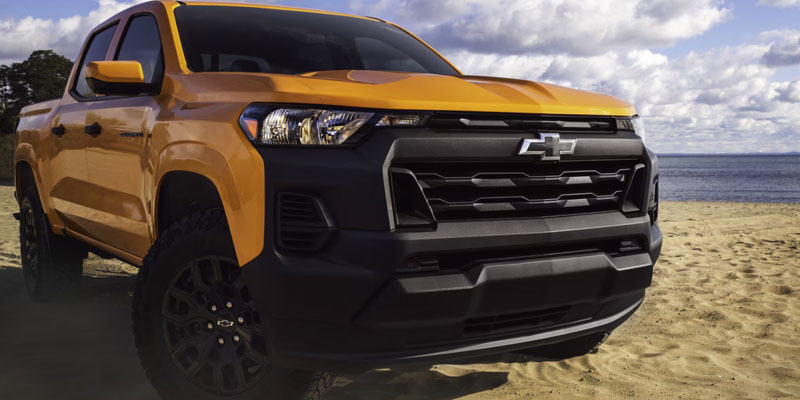
Life on the Outer Banks is unlike anywhere else. From sandy back roads to boat ramps, the terrain here demands a vehicle that can keep up. Local drivers trust OBX Chevrolet in Kitty Hawk, NC to provide reliable Chevrolet trucks for Outer Banks, NC driving. With the current Chevy lineup, you will find a pickup built for every kind of coastal lifestyle. Reach out to our team today to discover how a new truck elevates your beach living experience.
Why Trucks Make Sense on the Outer Banks
The OBX is not a typical suburb. You haul kayaks, tow trailers, and navigate areas lacking pavement. Chevrolet trucks for Outer Banks, NC drivers offer the towing capacity, ground clearance, and durability to handle it all. A capable pickup makes daily life easier for contractors working a job site in Corolla or weekend surfers loading gear at dawn.
The Chevy Colorado: A Versatile Mid-Size Option
If you want a maneuverable truck for crowded beach towns that performs serious work, consider the 2026 Chevrolet Colorado. It provides a nimble mid-size option without sacrificing capability. For drivers navigating tight parking lots and narrow roads, the Colorado strikes a comfortable balance between size and strength. The ZR2 trim adds off-road hardware for venturing onto unpaved terrain.
The Chevy Silverado: Full-Size Power for Coastal Living
The 2026 Chevrolet Silverado 1500 is the go-to choice for maximum muscle. It offers a range of powertrain options, including a 2.7L turbo engine and available 20″ wheels, delivering serious towing ability. Hauling a boat to the sound, pulling a camper to a Cape Hatteras campsite, or loading up for a fishing trip is effortless. The Silverado comes in a high-output ZR2 configuration featuring trail-ready hardware right from the factory.
Going Heavy-Duty: The Silverado HD
For contractors and landscapers moving serious weight, the 2026 Silverado HD delivers heavy-duty capability. It conquers jobs where the 1500 might feel stretched. OBX Chevrolet helps you match the right trim and configuration to your specific work needs, including the powerful 2500HD and 3500HD models.
Electric Options: The Silverado EV
The 2026 Silverado EV brings a new dimension to Chevrolet trucks for Outer Banks, NC buyers looking to reduce fuel consumption. It delivers full-size truck capability with an all-electric powertrain, providing an impressive GM-estimated range of up to 460 miles on a full charge. As charging infrastructure grows along the coast, the Silverado EV provides a practical choice for everyday driving.
Finding the Right Fit at OBX Chevrolet
Every driver has different needs on the Outer Banks. People prioritizing off-road traction, towing capacity, or day-to-day practicality will find a Chevrolet pickup that fits their life. Customers throughout Kitty Hawk, NC can visit OBX Chevrolet to explore the lineup equipped with modern tech like Apple CarPlay© and Android Auto© to find the right match.
Ready to Explore the Chevy Truck Lineup?
If you need a Chevrolet truck for Outer Banks, NC living, the team at OBX Chevrolet is ready to help. As your trusted Chevy dealer, we walk you through available inventory and current offers. Stop in or explore our digital showroom to get started today.
The Right Truck for the Right Place
The Outer Banks deserves a truck up to the challenge. Chevrolet trucks for Outer Banks, NC buyers come in a range of sizes, powertrains, and configurations. From the capable Colorado to the heavy-duty Silverado HD, there is a Chevy built for life by the water. Visit OBX Chevrolet in Kitty Hawk, NC to test drive your next vehicle.
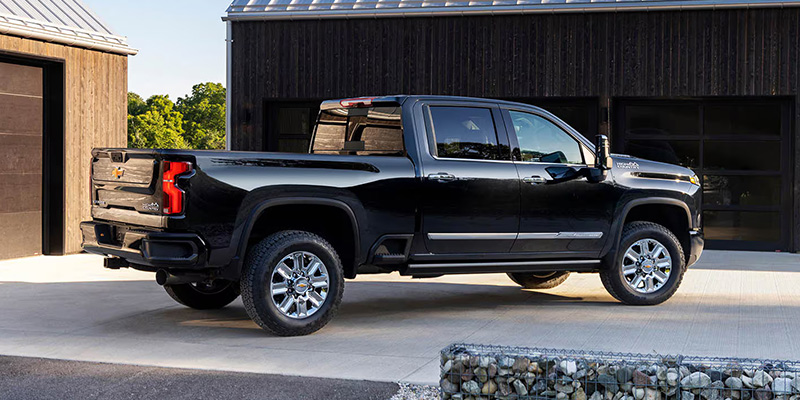
If you spend time on the Outer Banks, you already know that life out here demands a truck that can keep up. From sandy back roads to boat ramps to hauling gear across the bridge, Kitty Hawk, North Carolina drivers need to count on a truck that’s tough, versatile, and ready for anything. The 2026 Chevrolet Silverado checks every one of those boxes—and then some.
Built for the Work Outer Banks Life Demands
When it comes to what Kitty Hawk, NC drivers need in a truck, it starts with real capability. The 2026 Chevy Silverado packs a list of powertrains to suit any need:
- TurboMax™ engine: This standard powertrain delivers 310 hp and a Best-in-Class 430 lbs.-ft. of torque.
- 5.3L EcoTec3 V8: Brings more muscle with 355 hp and 383 lbs.-ft. of torque
- 6.2L EcoTec3 V8: Delivers a robust 420 hp and 460 lbs.-ft. of torque
- Duramax® 3.0L Turbo-Diesel: The only diesel engine in its class, it’s built for efficiency, offering Best-in-Class highway fuel economy of 28 MPG. With 495 lbs.-ft. of torque, it can tow up to 13,300 lbs.
A Bed That Works as Hard as You Do
The Silverado’s Durabed is one of its most underrated strengths. It offers Best-in-Class standard cargo volume at 89.1 cu. ft., backed by 12 standard tie-downs rated at 500 lbs. per corner. Whether you’re loading up fishing equipment, landscaping supplies, or beach gear, there’s room to do it right.
The available Multi-Flex Tailgate makes loading and unloading easier with 6 different configurations, including a full-width step that can hold up to 375 lbs. That’s a feature you’ll genuinely appreciate after a long day on the water.
Off-Road Ready for Coastal Terrain
Not every road on the Outer Banks is paved, and the 2026 Silverado lineup is ready for that reality. Off-road trims like the Custom Trail Boss and LT Trail Boss come with a factory-installed 2” suspension lift, a 2-speed Autotrac transfer case, and an automatic locking rear differential.
The ZR2 is the trail-dominating trim, however with its 3” factory lift, Multimatic DSSV™ dampers, front and rear electronic locking differentials, and 33” Goodyear Wrangler Territory® MT tires. If you’re navigating softer terrain or rougher back roads near Kitty Hawk, NC, these trucks are designed to handle it.
Technology That Keeps You Connected
Spending time in a remote coastal area doesn’t mean you have to feel disconnected. The Silverado comes standard with Wi-Fi® hotspot capability, as well as wireless Apple CarPlay® and Android Auto™ compatibility. Upper trims include a 13.4” touchscreen, a 12.3” Driver Information Center, and Google built-in. That feature lets you use simple voice commands to do everything from getting real-time navigation through Google Maps, to downloading apps and music with Google Play, and even managing your calendar through Google Assistant—no subscription or phone required.
For towing, the available In-Vehicle Trailering App lets you build a custom trailer profile, run pre-departure checklists, and monitor your setup—all from the center display. Additional trailering tech is available, including up to 14 camera views like Transparent Trailer View, Trailer Side Blind Zone Alert, and Super Cruise® hands-free driving assist with trailer coverage. For drivers near Outer Banks NC, that kind of connected convenience makes every haul simpler.
Safety Features That Matter on Every Drive
The 2026 Silverado comes standard with Chevy Safety Assist, which includes 6 features like Automatic Emergency Braking, Front Pedestrian Braking, Lane Keep Assist with Lane Departure Warning, and Forward Collision Alert. Higher trims add available features like HD Surround Vision, Rear Cross Traffic Braking, and Trailer Side Blind Zone Alert.
The Silverado was also named America’s #1 Full-Size Pickup for Initial Quality by J.D. Power in 2025, speaking to the kind of dependability Outer Banks drivers can rely on day in and day out.
Come See the 2026 Silverado at OBX Chevrolet
Whether you’re looking for a hardworking daily driver or a capable off-road truck for everything coastal life throws your way, the Chevy Silverado that Kitty Hawk, NC shoppers trust is waiting for you. Explore the full lineup and find the trim that fits your lifestyle at OBX Chevrolet, your local Chevrolet dealer Outer Banks NC, at obxchevy.com.
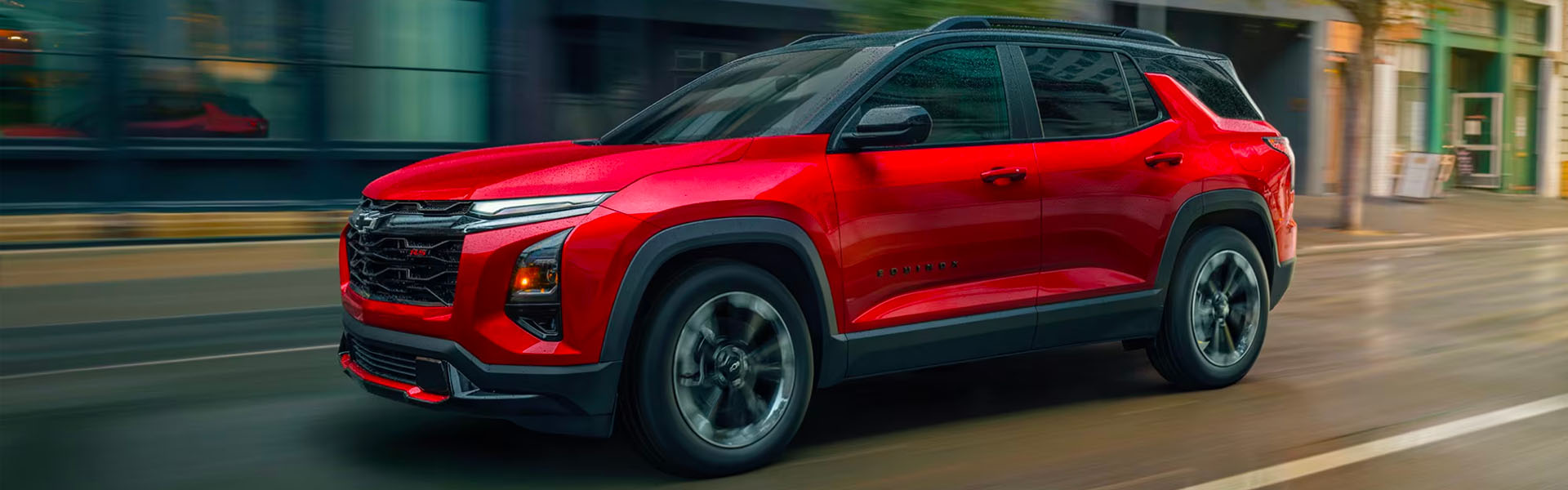
If you live along the Outer Banks or spend your summers exploring its barrier islands, you know how much the terrain demands from your vehicle. Sandy back roads, beach parking lots, and long stretches of highway all call for something capable, comfortable, and reliable. That’s exactly what Chevrolet SUVs are built to deliver, making them perfect for Kitty Hawk, North Carolina adventurers. Whether you’re hauling beach gear, towing a boat, or cruising the coastline, Chevy has an SUV lineup that fits the way you live here.
Small Chevrolet SUVs Built for Everyday Coastal Life
Not every trip to the beach requires a full-size vehicle. For drivers who want something nimble and easy to park near the water, the Chevy Trax and Trailblazer are great options.
The 2026 Chevy Trax is a compact option that doesn’t sacrifice style or functionality. Not only does it give you 30 MPG combined, it’s easy to maneuver through busy beach town traffic and offers a surprisingly spacious interior for a smaller footprint. The 2026 Trailblazer steps things up a bit with a sportier look and a little more cargo room at up to 54.4 cu. ft. maximum—just right for paddleboards, coolers, and all the gear that comes with a day at the water.
Both models come with modern technology features, including a 11” touchscreen infotainment system with wireless smartphone compatibility, making them practical choices for daily drives in and around Kitty Hawk, NC.
Mid-Size Chevrolet SUVs That Balance Comfort and Capability
If you need a bit more room without going full-size, the mid-size Chevrolet SUVs lineup offers some compelling choices. The 2026 Equinox is renowned for how well-rounded and dependable it is, offering features like Google Built-in, a turbocharged engine, and up to 63.5 cu. ft. of cargo space for weekend adventures up and down the Outer Banks.
For those who want more power and a bolder presence, the 2026 Blazer delivers on both fronts. With its athletic styling and available all-wheel drive, it handles wet or sandy surfaces with confidence. Outer Banks drivers tend to favor these Chevy SUVs that make it easy to transition between beach days and longer road trips without skipping a beat.
The 2026 Traverse takes things a step further with 3 rows of seating—ideal for families making the most of coastal North Carolina summers. It offers generous passenger space, high-end interior features, and Best-in-Class max cargo volume of 98 cu. ft.
Full-Size Chevrolet SUVs for Big Families and Serious Adventures
When you need maximum space, towing capability, and the confidence to take on any coastal challenge, the full-size Chevrolet SUVs are in a class of their own. The 2026 Tahoe and Suburban are both built on a strong, truck-based platform that gives them impressive towing capacity—perfect for hauling watercraft, campers, or trailers to your favorite Outer Banks spots. The 2026 Chevy Tahoe can tow up to 8,400 lbs. and the 2026 Chevy Suburban can tow up to 8,200 lbs. when properly equipped.
The Tahoe seats up to 9 and offers available Super Cruise® technology, which provides hands-free driving assistance on compatible highways. The Suburban stretches that capability even further with additional rear cargo room, making it one of the most practical large SUVs on the market today. Even when you’re traveling with a full house, you’ve got 41.5 cu. ft. of space for everyday stuff, and if you’re going further with just a front passenger, that expands to a massive 144.5 cu. ft.
Both models carry Chevrolet’s reputation for dependability. In fact, Chevy has earned recognition as America’s Most Awarded Brand for SUV Dependability by J.D. Power—a distinction that means a lot when you’re relying on your vehicle for coastal adventures year-round.
Find Your Chevrolet SUV at OBX Chevrolet
Whether you’re navigating beach traffic or heading out on a longer coastal road trip, the right Chevrolet SUV makes every drive better. Drivers throughout Kitty Hawk, North Carolina have a wide range of Chevy models to choose from, each one offering a strong combination of comfort, technology, and reliability. Visit OBX Chevrolet online at obxchevy.com to explore available inventory and find the Chevrolet SUV that fits your life on the Outer Banks.
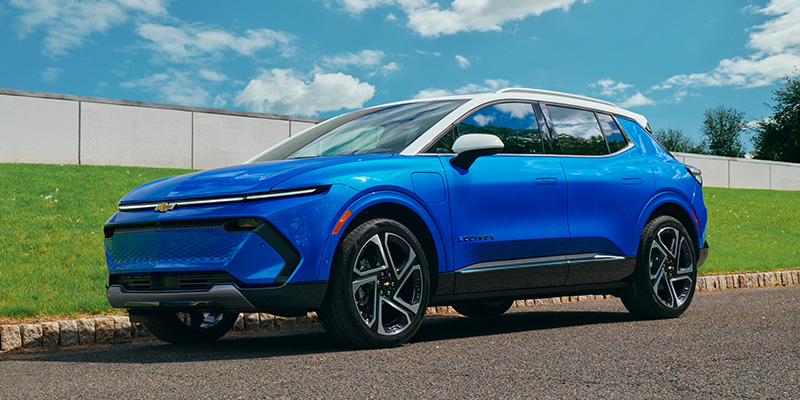
The Outer Banks asks unusual things from a vehicle. One moment you’re threading through summer traffic in Kitty Hawk. The next, you’re carrying surfboards, coolers, bicycles, and enough beach gear to invade a small island. Add shifting weather, salt air, bridge crossings, and miles of coastal highway, and suddenly your SUV choice becomes rather important.
That’s exactly why the 2026 Chevrolet SUV lineup fits Outer Banks life so well.
The 2026 Chevrolet Trax Keeps Things Simple and Smart
The 2026 Chevrolet Trax is the SUV for people who understand that smaller can sometimes be better.
It’s compact enough to slip through crowded beach-town parking lots without drama, yet practical enough to carry everything needed for a long weekend along the coast. Fold the rear seats flat and the Trax opens up to 54.1 cu. ft. of cargo space, which is more than enough for chairs, bags, fishing gear, or an emergency grocery run after everyone else had the same idea.
For drivers regularly crossing the Wright Memorial Bridge, the Trax also feels refreshingly light and efficient without sacrificing modern technology or comfort.
The Trailblazer Adds Confidence Without the Bulk
Move into the 2026 Chevrolet Trailblazer and things become a bit more adventurous.
The Trailblazer strikes an excellent balance for Outer Banks drivers who want additional versatility without stepping into a larger SUV. Available AWD makes it particularly appealing around sandy beach access areas or during sudden coastal storms, while the upright design gives it a more substantial feel than the Trax.
Inside, it feels intelligently packaged. Outside, it carries a sharper personality that suits coastal driving rather nicely. For couples, smaller families, or active drivers spending weekends bouncing between Corolla, Duck, and Hatteras, the Trailblazer feels exceptionally well judged.
The Equinox Continues to Be Chevrolet’s Sweet Spot
There’s a reason the 2026 Chevrolet Equinox remains one of Chevrolet’s strongest sellers. It simply fits real life beautifully.
Powered by a 1.5L Turbocharged engine producing 175 hp and up to 203 lbs. ft. of torque, the Equinox delivers enough strength for highway travel without becoming oversized or cumbersome around town. Fold the seats down and cargo capacity expands to 63.5 cu. ft., making it remarkably useful for beach trips, home projects, or family travel.
Around the Outer Banks, that versatility becomes especially valuable. The Equinox feels equally comfortable parked outside a waterfront restaurant in Kitty Hawk or loaded for a full day on Hatteras Island.
And for buyers ready to move toward electrification, the available 2026 Chevrolet Equinox EV adds an entirely different dimension to the lineup.
The Traverse Is Built for Big Coastal Weekends
The 2026 Chevrolet Traverse is what happens when Chevrolet decides families deserve actual space instead of theoretical space. Three rows genuinely mean three usable rows.
That distinction matters enormously around the Outer Banks, where family vacations quickly turn into logistical exercises involving luggage, coolers, paddleboards, beach carts, and children carrying approximately nothing useful.
The Traverse handles it all with ease. Long highway drives remain comfortable, cargo flexibility is excellent, and the cabin feels thoughtfully engineered for real travel instead of brochure photography.
Tahoe and Suburban Still Rule the Full-Size World
Then there are the giants. The 2026 Chevrolet Tahoe and 2026 Chevrolet Suburban remain the definitive answers for drivers wanting maximum passenger space, towing capability, and long-distance comfort.
The Tahoe offers up to 25.5 cu. ft. behind the third row, while the Suburban expands that figure to a huge 41.5 cu. ft. If you’re towing a boat toward the sound, carrying eight passengers, or packing for a week along the coast, these SUVs begin to make extraordinary sense very quickly. And despite their size, both feel impressively refined on long North Carolina highway runs.
Find the Right Chevrolet SUV for Coastal Carolina
The 2026 Chevrolet SUV lineup covers an enormous range of lifestyles, from compact coastal commuters to full-size family haulers built for long Outer Banks weekends.
Drivers throughout Kitty Hawk, NC can explore the latest Chevrolet SUVs at Boyd’s OBX Chevrolet, compare trims in person, and schedule a test drive online to experience how each model fits coastal Carolina life.
Because along the Outer Banks, the right SUV isn’t simply transportation. It becomes part of how you live.
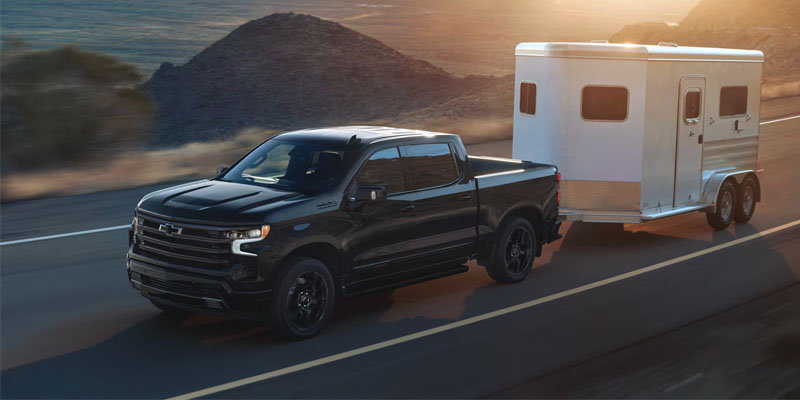
The Outer Banks has a habit of exposing weak vehicles very quickly. Soft sand, boat ramps, beach gear, long highway drives, and weather that changes its mind every ten minutes all demand a truck with genuine capability. Thankfully, the 2026 Chevrolet Silverado 1500 feels perfectly at home in Kitty Hawk, NC and the surrounding OBX coastline.
This is not a truck pretending to be adventurous. It’s a truck that expects to tow a boat at sunrise and come home covered in sand by sunset.
Towing Like It Means Business
If you need a Chevy truck for beach towing in NC, the Silverado arrives properly prepared. Maximum available towing reaches 13,300 lbs., which means boats, campers, trailers, and all sorts of questionable “we can totally tow that” ideas are comfortably within reach.
The available Duramax® 3.0L Turbo-Diesel delivers 495 lbs. ft. of torque and up to 28 highway mpg, which is excellent news for anyone making regular runs down NC-12. Meanwhile, the standard TurboMax™ engine provides best-in-class 430 lbs. ft. of standard torque, ideal for slippery ramps and soft sand conditions.
The Silverado also makes towing less stressful with available trailering cameras, Trailer Side Blind Zone Alert, and an available In-Vehicle Trailering App that helps drivers manage trailer settings and safety checks. These features feel especially useful around busy summer traffic near Kitty Hawk and Oregon Inlet.
Drivers who regularly tow along the Outer Banks should also stay on top of trailer brake inspections, tire rotations, and Silverado maintenance intervals, especially after long beach weekends and heavy towing sessions.
The Outer Banks Isn’t Exactly Gentle
Some trucks look rugged. The Silverado Trail Boss and ZR2 trims are rugged. The Custom Trail Boss and LT Trail Boss include a factory 2-inch suspension lift, the Z71 Off-Road Package, and an automatic locking rear differential straight from the factory.
Then there’s the ZR2, which honestly feels like it was engineered by people who spend weekends driving directly toward dunes on purpose. Multimatic DSSV® dampers, front and rear electronic locking differentials, aggressive 33-inch Goodyear Wrangler® Territory MT tires, and substantial skid plates help the Silverado tackle rough OBX terrain confidently. The ZR2 Bison pushes things even further with AEV hardware and added underbody protection for drivers who genuinely plan to test the limits.
A Truck Bed That Actually Understands Coastal Life
Living near the water means hauling things constantly. Kayaks. Surfboards. Fishing gear. Coolers. Camping supplies. Sometimes all at once. The Silverado’s Durabed offers best-in-class standard cargo volume at 89.1 cu. ft. and includes 12 standard tie-downs rated at 500 lbs. per corner.
The available Multi-Flex Tailgate is one of those features that sounds gimmicky until you use it. Then suddenly you wonder why every truck doesn’t have one. Available bed power outlets also make a strong case for camping trips, mobile work setups, and charging gear near the beach.
Modern Tech Without Losing the Truck Feel
The Silverado manages to balance rugged capability with genuinely useful technology. Available features include a 13.4-inch touchscreen, a 12.3-inch Driver Information Center, wireless Apple CarPlay®, wireless Android Auto™, and available Google built-in compatibility.
There’s also available Super Cruise® hands-free driving capability on select trims, including while towing, which makes long highway drives across North Carolina considerably easier. Importantly, none of this technology overwhelms the truck’s personality. It still feels like a Silverado first.
One Silverado Lineup, Many Different Personalities
The 2026 Silverado lineup includes 9 trims ranging from the practical WT to the upscale High Country. Some buyers simply need dependable capability. Others want off-road hardware, luxury touches, or a truck that looks especially good parked near the marina.
The nice thing about the Silverado lineup is that it genuinely accommodates all of those buyers without losing sight of what makes the truck good in the first place.
At Boyd’s OBX Chevrolet, drivers can explore the full Silverado lineup and schedule a test drive online to find the truck that fits their version of Outer Banks life best.
Hello world!
Welcome to WordPress. This is your first post. Edit or delete it, then start writing!
When it’s time to get behind the wheel of a new vehicle, many drivers automatically gravitate toward buying. But for others, leasing may be the smarter, more flexible choice. At Boyd’s OBX Chevrolet, we know that every driver’s situation is unique, and leasing can offer some big advantages that are worth considering. Here’s why leasing might be the right fit for you:
Lower Monthly Payments
One of the biggest perks of leasing is the cost. Monthly lease payments are typically lower than loan payments for the same car. That’s because you’re not paying off the full price of the vehicle, just the depreciation that occurs over the lease term. This can free up your budget for other things or allow you to drive a higher-end model than you could afford to buy outright.
Driving a New Car More Often
Love that new-car smell? Leasing gives you the chance to drive a brand-new vehicle every few years. Most leases run for 24 to 36 months, meaning you can stay up to date with the latest models, technology, and safety features without worrying about the hassle of selling or trading in your old car.
Fewer Maintenance Headaches
Leased vehicles are typically under warranty for the duration of the lease. That means most major repairs are covered, and you’re less likely to deal with big, unexpected maintenance bills. Plus, because the car is newer, there’s usually less wear and tear.
Flexibility at the End of the Lease
When your lease is up, you have options. You can return the vehicle and lease something new, buy the leased vehicle if you love it, or just walk away. That kind of flexibility can be appealing if your driving needs or your lifestyle might change in a few years.
Leasing Isn’t for Everyone
While leasing offers some great benefits, it’s not the best fit for every driver. If you drive a lot of miles, prefer to own your vehicles long-term, or want to customize your car, purchasing may be a better route. But if you value flexibility, lower monthly costs, and driving newer vehicles, leasing could be the smarter financial move.
Let’s Find the Right Option for You
Not sure whether leasing or buying is the better fit? Come visit us at Boyd’s OBX Chevrolet! Our friendly, knowledgeable team is here to walk you through both options and help you make the best choice for your lifestyle and budget. Ready to explore leasing options? Contact us or stop by today. We’re here to help you drive away happily!
Buying a car is an exciting experience but if you’re like many drivers, the financing process can feel a little overwhelming. Don’t worry! At Boyd’s OBX Chevrolet, we’re here to make it simple. Whether it’s your first time financing a vehicle or you’re just looking for a refresher, this step-by-step guide will help you understand how it all works so you can make a confident, informed decision.
Step 1: Know Your Budget
Before you fall in love with that sleek SUV or sporty sedan, it’s important to figure out how much car you can realistically afford. Consider your monthly income, expenses, and what kind of monthly payment would be comfortable for your budget. Don’t forget to factor in insurance, fuel, and maintenance costs, too.
Step 2: Check Your Credit Score
Your credit score plays a big role in determining what kind of loan terms you’ll qualify for. The better your score, the better your interest rate and that can save you a lot of money over the life of the loan. Not sure what your score is? Click Here to check it with no impact on your credit score.
Step 3: Explore Your Financing Options
You have a few choices when it comes to car financing:
Through the dealership: Convenient and often competitive, especially if there are special promotions or low-interest incentives from the manufacturer.
Through a bank or credit union: Great for pre-approval and comparing interest rates before you shop.
Online lenders: Another fast, easy option to get pre-approved and compare rates.
Getting pre-approved before visiting the dealership can give you stronger negotiating power and help streamline the entire car-buying process.
Step 4: Choose the Right Loan Terms
Loan terms usually range from 24 to 84 months. A longer term typically means lower monthly payments, but you’ll pay more interest over time. A shorter loan term may have higher payments but less total interest. We’ll help you weigh the pros and cons so you can choose what fits best.
Step 5: Select Your Vehicle
Now comes the fun part finding the car you love! With your budget and pre-approval in hand, you can shop confidently knowing you’re looking at vehicles within your financial comfort zone.
Step 6: Finalize the Financing
Once you’ve chosen your car, we’ll walk you through the financing paperwork. This includes:
- The loan agreement
- Interest rate and payment schedule
- Any optional add-ons like extended warranties or service packages
Our finance team at Boyd’s OBX Chevrolet is here to answer your questions and make sure you feel good about every step.
Step 7: Hit the Road in Style
Once everything is signed, the car is yours to drive! Whether it’s your first car or your fifth, nothing beats the feeling of hitting the road in a vehicle you love and a deal you feel great about.
Let Us Help You Finance with Confidence
At Boyd’s OBX Chevrolet, we believe car shopping should be exciting not stressful. Our team is here to make car financing clear, straightforward, and personalized to your needs. Take the first step toward your next ride stop by, give us a call, or get pre-approved online today. Let’s make your car-buying experience a great one!
Understanding Car Insurance: A Beginner’s Guide
When buying a car, there’s more to think about than just the price, model, and features. One important aspect to consider is car insurance. Whether you’re a first-time buyer or a seasoned driver, understanding car insurance is crucial not only because it’s legally required in most places but also because it protects your investment and provides peace of mind.
What is Car Insurance?
Car insurance is a contract between you and an insurer. In exchange for regular payments, the insurer covers financial losses if you’re involved in an accident, theft, or damage to your car. Depending on your policy, it may also cover injuries or damage to others involved in the incident.
Why Do You Need Car Insurance?
Car insurance is required by law in most places, and driving without it can result in fines, license suspension, or even jail time. Insurance also protects your financial well-being. A car is a significant investment, and if something happens to it, insurance helps cover the costs. It also provides liability coverage if you’re at fault in an accident, paying for medical bills, property damage, and legal fees for others involved.
Types of Car Insurance Coverage
There are several types of car insurance coverage, and it’s important to understand them to choose the best plan for your needs. Here are the most common types:
a. Liability Insurance
Liability insurance is the most basic and legally required coverage in most states. It covers the costs of damage and injuries to others if you’re at fault in an accident. It usually includes:
- Bodily Injury Liability: Covers medical expenses for others if you cause injuries.
- Property Damage Liability: Pays for damage to another person’s property, such as their car.
b. Collision Insurance
Collision insurance helps pay for repairs or replacement of your car after a crash, regardless of fault. This is especially useful for newer cars or if you don’t have the funds to pay for repairs out of pocket.
c. Comprehensive Insurance
Comprehensive coverage protects your vehicle against non-collision events, like theft, vandalism, or weather damage. If your car is damaged in an event that isn’t a crash, this insurance will help cover the costs.
d. Personal Injury Protection (PIP)
PIP, or no-fault insurance, covers medical bills for you and your passengers, no matter who caused the accident. It can also cover lost wages if you’re unable to work due to injury.
e. Uninsured/Underinsured Motorist Coverage
This covers you if you’re in an accident with a driver who doesn’t have enough insurance or no insurance at all. It helps pay for your medical bills and property damage.
How Insurance Premiums Work
Your insurance premium is the amount you pay to your insurer for coverage. Several factors influence your premium, including:
- Driving Record: Drivers with a history of accidents or violations often pay more.
- Car Type: High-value or sports cars often have higher premiums due to repair costs.
- Location: If you live in an area with higher accident rates or thefts, your premium may increase.
- Coverage Amount: The more coverage you have, the higher your premium will likely be.
You can reduce your premium by increasing your deductible or bundling multiple policies (like home and auto insurance).
Choosing the Right Car Insurance
Choosing the right car insurance may feel overwhelming, but by considering your needs, you can find the best option. Here are some tips to help guide your decision:
- Assess Your Needs: Consider your car’s age, how much you drive, and your risk tolerance. Older cars may not need comprehensive or collision coverage if they’re not worth much.
- Shop Around: Get quotes from multiple insurers to compare coverage and rates.
- Look for Discounts: Many insurers offer discounts for safe driving, bundling policies, or having certain safety features.
- Read the Fine Print: Make sure you understand your policy’s exclusions or limitations.
Common Car Insurance Mistakes to Avoid
- Not Having Enough Coverage: The minimum required insurance might not provide enough protection. Consider adding comprehensive or collision coverage for more security.
- Focusing Only on Price: The cheapest option might not offer the coverage you need. It’s often worth paying a little more for better protection.
- Not Updating Your Policy: If you add a new driver or move to a new area, make sure your policy reflects those changes.
Car insurance is essential for protecting your car, your finances, and your peace of mind. Understanding the types of coverage and how premiums work will help you choose the best policy for your needs. At Boyd’s OBX Chevrolet, we want you to feel confident when buying a car, and that includes understanding your insurance options.
April Fools’ Day is the perfect time to bust some common car myths that could be steering you in the wrong direction. From old wives’ tales to misconceptions still floating around, we’re setting the record straight at Boyd’s OBX Chevrolet. Let’s clear up the confusion and help you drive smarter, not foolishly!
Myth: Premium Gas Is Always Better for Your Car
A common belief is that premium gas boosts engine performance and fuel efficiency.
Truth: Unless your car specifically requires premium fuel (check your manual), using higher-octane gas won’t improve performance. In fact, it’s just an unnecessary expense. Most cars run perfectly fine on regular unleaded fuel.
Myth: You Should Wait Until Your Gas Tank Is Empty to Refill
Many people think it’s best to wait until the gas gauge hits “E” before filling up.
Truth: Running your car low on gas too often can damage the fuel pump. Gas acts as a coolant and driving on low fuel regularly risks overheating the pump. Refill when you have about a quarter tank left.
Myth: Using Your Car’s AC Decreases Fuel Efficiency Dramatically
With summer approaching, some drivers fear the AC will drain their fuel efficiency.
Truth: While the AC does use extra fuel, it’s not as dramatic as people think. At highway speeds, using the AC is often more efficient than opening the windows, which can cause drag and lower fuel economy. Stay cool without losing too much fuel.
Myth: A Car’s Exhaust Is Only for Emissions
Many assume the exhaust system’s only job is to expel harmful gases from the engine, but it plays several important roles in ensuring your car runs smoothly.
Truth: The exhaust system also reduces engine noise (thanks to the muffler) and improves engine performance. A well-maintained exhaust system keeps your engine running efficiently.
Myth: You Can Break in Your Car Engine by Driving It Hard in the First Few Miles
Some believe you should “break in” a new car engine by pushing it hard right from the start.
Truth: Modern engines don’t need aggressive driving to break in. Driving too hard early on can cause wear. Follow the manufacturer’s guidelines, which typically suggest avoiding heavy acceleration or high speeds for the first few hundred miles.
Myth: If Your Car Is Low on Oil, You Can Just Top It Off
It’s tempting to think that topping off your oil when it’s low is enough, but doing so can lead to bigger issues.
Truth: While topping off may give you temporary relief, constantly running low on oil could indicate a more serious problem, like an oil leak. Regularly check your oil level and change it as recommended to avoid damaging your engine.
Myth: More Expensive Tires Are Always Better
Expensive tires are often seen as the key to better performance, safety, and longevity.
Truth: Expensive tires may offer high-end features, but the most expensive tire isn’t always the best option for your car. It’s more important to choose a tire that fits your vehicle type, driving habits, and climate. Mid-range tires can still offer excellent performance.
Myth: You Don’t Need to Change Your Oil Until You Hit 10,000 Miles
Some believe modern engines can go much longer between oil changes, thanks to advances in technology and the use of synthetic oils.
Truth: While newer cars and synthetic oils can last longer than older oils, it’s still important to follow your manufacturer’s recommended oil change intervals. Waiting too long can lead to engine sludge and poor performance. Stick to the schedule in your owner’s manual.
Car myths can be tricky, but now you’re equipped with the truth! Next time you hear a wild claim about cars, you’ll know better. At Boyd’s OBX Chevrolet, we’re committed to providing you with reliable information to help you make informed decisions about your vehicle. Ready to take your car knowledge to the next level? Visit us for more expert tips or schedule a maintenance check today to keep your car running at its best. Don’t be fooled-drive smarter and stay ahead of the myths!
Connect with us

- September 2026
- July 2026
- June 2026
- November 2025
- May 2025
- April 2025
- March 2025
- February 2025
- January 2025
- December 2024
- November 2024
- October 2024
- September 2024
- August 2024
- July 2024
- June 2024
- May 2024
- April 2024
- March 2024
- February 2024
- January 2024
- December 2023
- November 2023
- October 2023
- September 2023
- August 2023
- July 2023
- June 2023
- May 2023
- April 2023
- March 2023
- February 2023
- January 2023
- December 2022
- October 2022
- September 2022
- July 2022
- June 2022
- May 2022
- April 2022
- March 2022
- February 2022
- October 2021
- September 2021
- August 2021
- April 2021
- November 2020
- September 2020
- July 2020
Archives
- 2026 Chevrolet Equinox
- 2026 Chevrolet Silverado 1500
- 2026 Chevrolet Suburban
- 2026 Chevrolet SUV lineup
- 2026 Chevrolet Tahoe
- 2026 Chevrolet Trailblazer
- 2026 Chevrolet Traverse
- 2026 Chevrolet Trax
- 2026 Silverado
- Chevrolet Colorado
- Chevrolet Silverado
- Chevrolet SUV for Coastal Carolina
- Chevrolet Trucks
- Chevy Silverado lineup
- Chevy Trax and Trailblazer
- Full-Size Chevrolet SUVs
- Mid-Size Chevrolet SUVs
- Off-Road Trucks
- Silverado lineup at Boyd's OBX Chevrolet
- Silverado’s Durabed
- Small Chevrolet SUVs
- SUV lineup
- Truck Buying Guides
- Uncategorized
- ZR2 Bison